Cellulase for Knit Surface Preparation Around Bioscouring Programs
Cotton knit dyehouses use cellulase when surface hairiness, lint release, pilling risk, or uneven wetting can interfere with downstream dyeing quality. Enzymesflow supports cellulase selection for knit bio-polishing programs that sit alongside enzymatic scouring, helping mills produce cleaner fabric faces, more controlled absorbency, and more repeatable shade behavior.
For dyehouse buyers, textile auxiliary distributors and compounders, this page focuses on the cellulase step next to bioscouring: where it fits, what it improves, and how to keep it compatible with a practical knit dyeing recipe.
For dyehouses, textile auxiliary distributors and compounders. Request a quote with the product or process problem, the quantity per month or per order, and the destination country. Pack format, price and lead time are quoted per order.
What cellulase contributes in cotton knit preparation
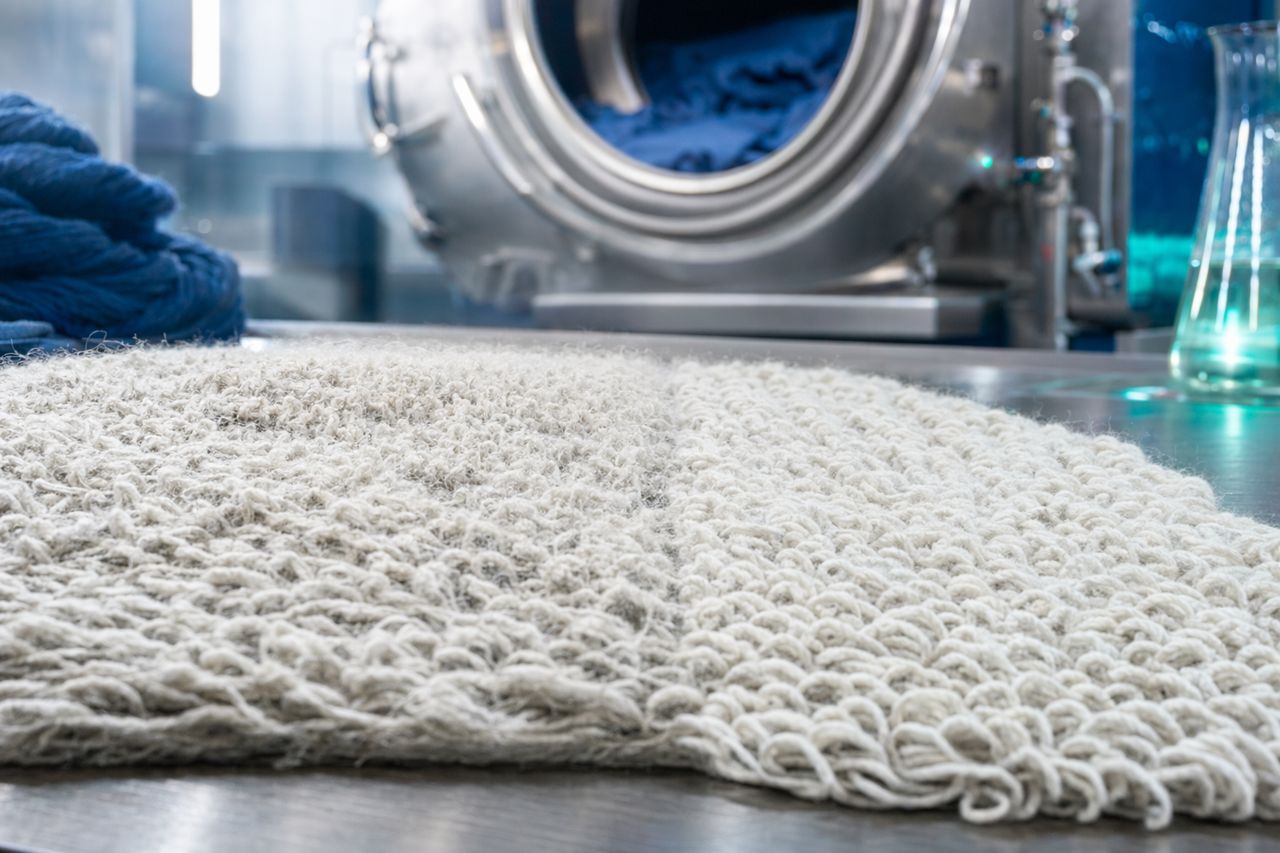
Cellulase acts on exposed cotton fiber surfaces. In knit processing, that means it can help remove loose fibrils and weak surface fuzz before those fibers become visible as lint, pills, cloudy fabric appearance, or shade irregularity. For dosing, process windows, and mill trial steps in biopolishing, see this page on cellulase in powder form.
For technical managers, the value is not just a softer handfeel. It is process control:
- Cleaner fabric surface before dyeing or finishing
- Reduced loose fiber release in the machine and liquor
- Lower tendency for surface pilling during wear and handling
- More consistent fabric appearance across panels and lots
- Better perceived shade clarity on dark and medium shades
- Improved preparation confidence when paired with bioscouring
Where cellulase fits around bioscouring
Cellulase and bioscouring enzymes have different jobs. Bioscouring targets cotton waxes, pectic materials, and wetting barriers so the knit becomes more absorbent and dye-ready. Cellulase targets surface microfibrils and fuzz to improve fabric face quality.
Common plant-floor options include:
After enzymatic scouring
This is often preferred when the mill wants strong wet-out first, then controlled surface cleanup. The fabric enters bio-polishing with better liquor penetration and more even contact.
Before dyeing in an integrated preparation sequence
Useful when the goal is to move greige or pre-scoured knit toward a cleaner, dye-ready condition without adding unnecessary handling.
After dyeing for appearance finishing
Selected when final face quality and softness are the main targets. This route requires careful shade management and compatibility checks, especially for sensitive colors.
Enzymesflow helps evaluate which placement best matches your machine type, fabric construction, shade range, and rework history.
Practical buyer outcomes for knit dyehouses
A cellulase program should be judged by what the dyehouse can see and control on the floor.
Surface appearance
The fabric face should look cleaner, with less random fiber protrusion and a more even knit loop definition.
Shade consistency
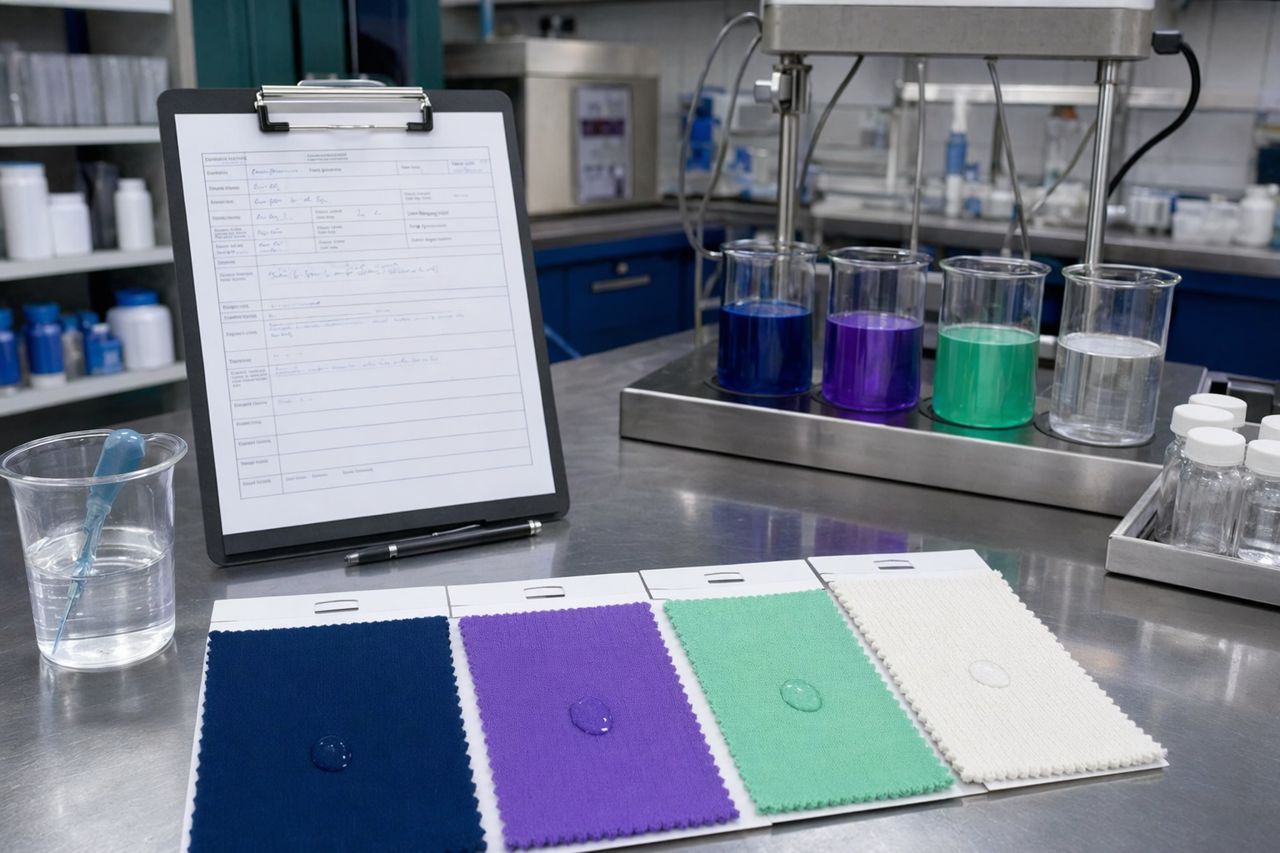
By reducing surface fuzz and lint interference, cellulase can support clearer shade perception and fewer appearance-driven shade disputes.
Absorbency support
When paired with a bioscouring step, cellulase can support a more uniform preparation platform. The goal is not simply faster wetting, but dependable wetting across the rope, lot, and machine load.
Lower rework pressure
Cleaner preparation can reduce downstream complaints linked to pilling, cloudy appearance, uneven surface handle, or excessive lint release.
Recipe compatibility matters
Cellulase performance depends on the full dyehouse environment. Enzymesflow reviews the working recipe rather than recommending enzyme in isolation.
Key compatibility points include:
- Fabric type: single jersey, interlock, rib, fleece, terry, and blended constructions
- Process stage: before dyeing, after bioscouring, or after dyeing
- Machine type: jet, soft-flow, overflow, or package considerations where applicable
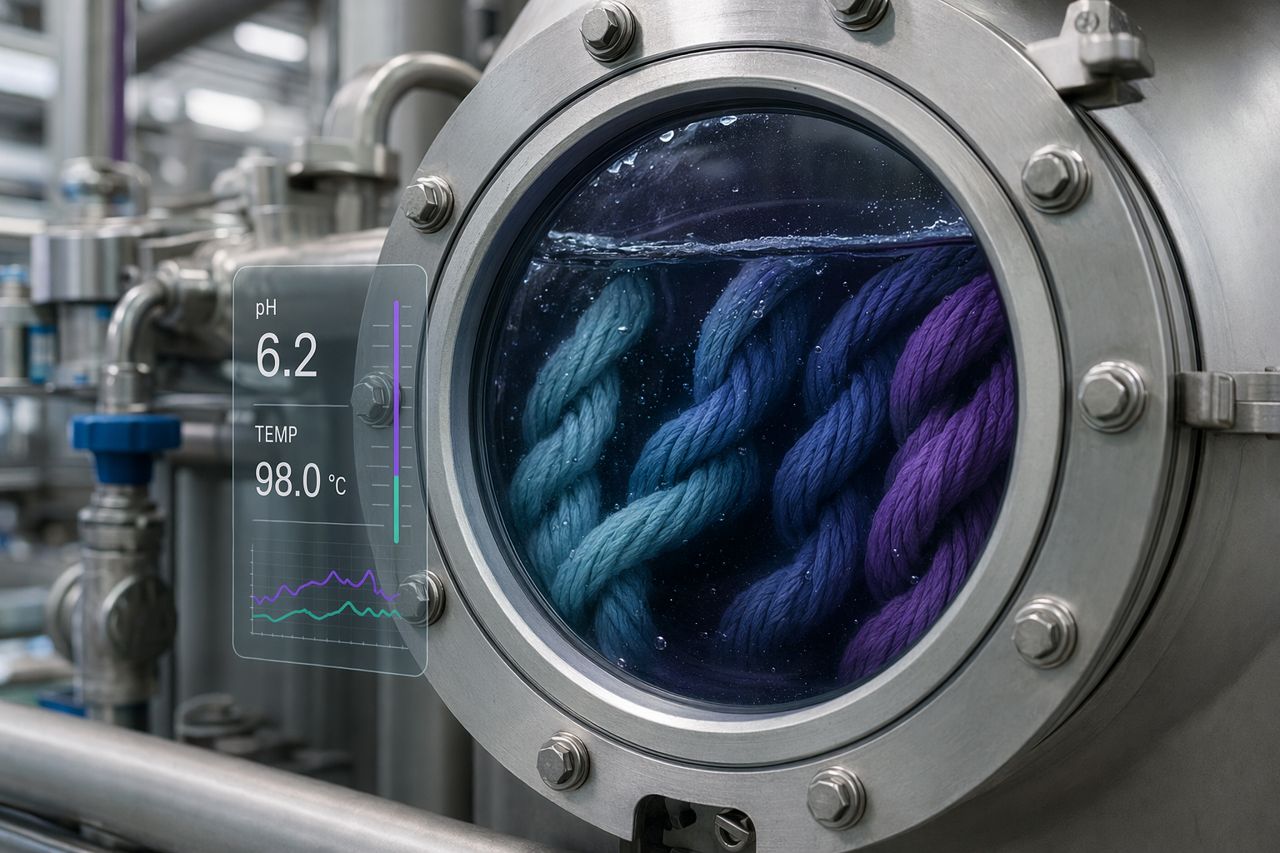
- Liquor behavior: foam tendency, circulation quality, fabric rope movement, and lint load
- Recipe components: wetting agents, sequestering agents, buffers, dyestuff class, and softeners
- Risk controls: strength retention, weight loss expectations, shade change sensitivity, and lot-to-lot repeatability
This is where supplier support becomes important. The right cellulase choice should fit the mill’s actual preparation route, not force the dyehouse into a fragile recipe.
What Enzymesflow supplies
Enzymesflow provides cellulase solutions for cotton knit bio-polishing and surface preparation programs, with technical support for integration around enzymatic scouring and dyeing.
Our support is built for production teams that need:
- A clear recommendation for process placement
- Guidance on compatibility with existing preparation chemistry
- Practical startup ranges based on fabric and machine conditions
- Risk review for shade, handfeel, strength, and fabric weight
- Troubleshooting support when results vary between lots
- Documentation suitable for internal technical review and purchasing
When to request a quote
Request a quote if you are working on any of the following:
- Adding cellulase to an existing cotton bioscouring program
- Reducing pilling complaints on cotton knit fabric
- Improving dark shade clarity on bio-polished knits
- Reducing lint load or surface fuzz before dyeing
- Comparing enzyme suppliers for a knit dyehouse preparation route
- Replacing a cellulase that is causing inconsistent handfeel, shade movement, or fabric strength concerns
Information to include in your quote request
To make the recommendation useful, include:
- Product: cellulase for knit bio-polishing, alone or with a bioscouring step
- Quantity: per month or per order, or trial quantity
- Destination: delivery country or region
- Fabric construction and cotton content
- Current preparation and dyeing sequence
- Machine type and typical batch size
- Target outcome: fuzz reduction, pilling control, absorbency, softness, or shade clarity
- Current pain points: rework, lint, uneven wet-out, shade variation, or appearance claims
- Any chemistry that must remain in the recipe
Request a quote
If your dyehouse, distribution business or formulation team needs cellulase for knit surface preparation alongside a bioscouring program, Enzymesflow can help match the product and process route to the dyehouse conditions. Wholesale and bulk supply is quoted per order: pack format, price and lead time depend on product, quantity and destination.
Use the on-site request a quote form to share your fabric, process sequence, target outcome, quantity and destination. A Enzymesflow technical contact will review the details and respond with a practical recommendation.