Bioscouring Before Reactive Dyeing: Dyehouse Buying Guide
Cotton knit dyeing is won or lost before the dyestuff goes in. If the fabric enters reactive dyeing with uneven wetting, residual wax, variable absorbency, or harsh preparation history, the dye bath has to compensate. That compensation often shows up as longer corrections, shade drift, unplanned reprocessing, handle changes, and pressure on delivery dates.
Enzymesflow supplies enzyme-based bioscouring solutions for cotton knit dyehouses that need controlled preparation before reactive dyeing. The goal is not simply to replace a step. The goal is to prepare the cotton surface so liquor penetration, dye uptake, shade levelness, and post-dyeing quality are easier to control in production.
For dyehouse buyers and the distributors and compounders who supply them, this guide outlines what matters commercially, technically, and operationally before you request a quote.
For dyehouses, textile auxiliary distributors and compounders. Request a quote with the product or process problem, the quantity per month or per order, and the destination country. Pack format, price and lead time are quoted per order.
Why bioscouring matters before reactive dyeing
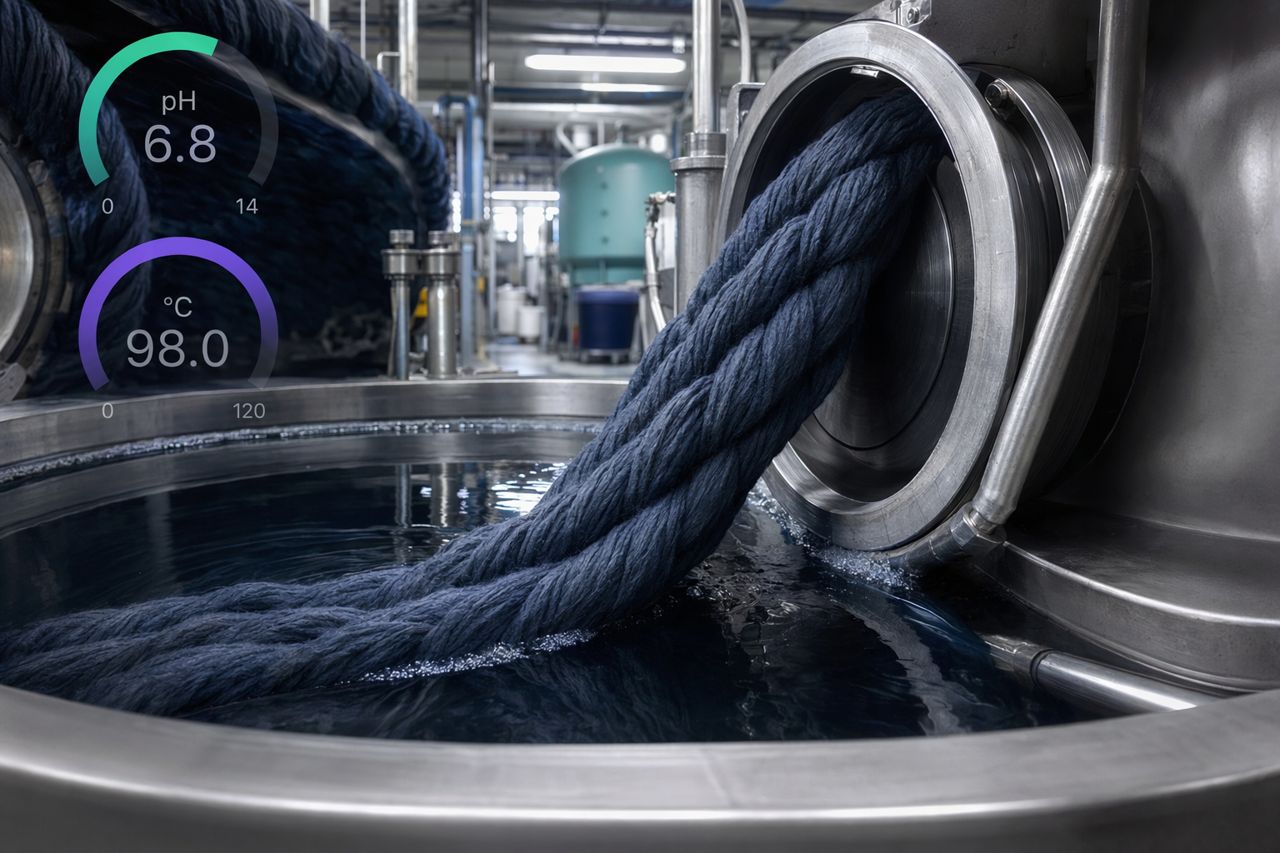
Raw cotton carries natural waxes, pectins, and surface impurities that can interfere with uniform wetting. In a knit dyehouse, that variation can be amplified by fabric construction, rope movement, loading, machine hydraulics, and batch-to-batch cotton differences.
A well-selected bioscouring enzyme system helps open the cotton surface for more consistent liquor access. For reactive dyeing, that translates into better control of the preparation stage and fewer surprises downstream.
What technical managers typically want to improve
- Faster and more even fabric wetting before dyeing
- More consistent absorbency across the rope and batch
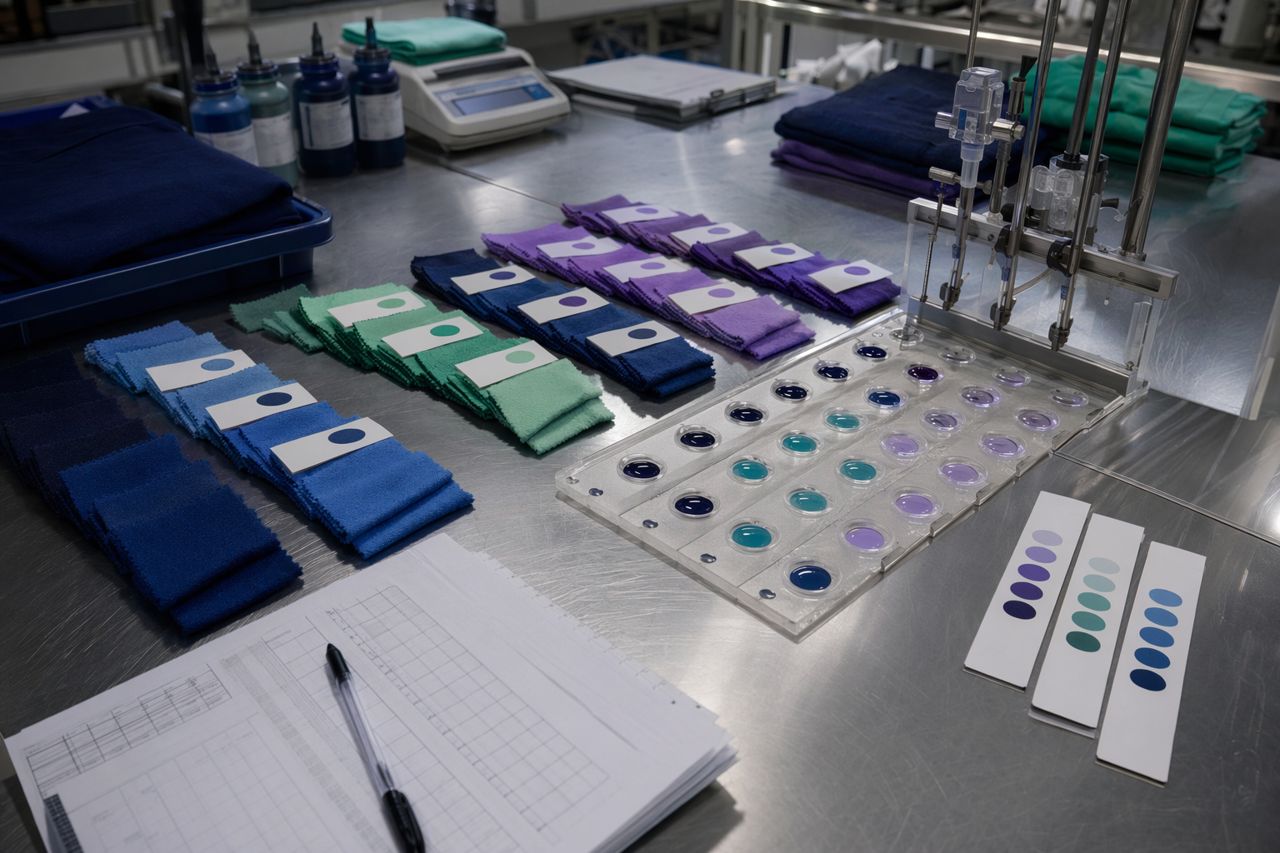
- Better shade levelness on sensitive colors
- Fewer corrective additions and shade adjustments
- Lower risk of reprocessing caused by uneven preparation
- Cleaner hand feel compared with aggressive front-end treatment
- Better repeatability across shade families and production lots
The production value: less variability before color is built
Reactive dyeing depends on controlled contact between fiber, dye, salt, alkali, temperature, and time. If the cotton surface is not prepared evenly, the dyeing recipe may still run, but the result is harder to predict.
Bioscouring supports production value in four practical ways:
1. Absorbency becomes a controlled input
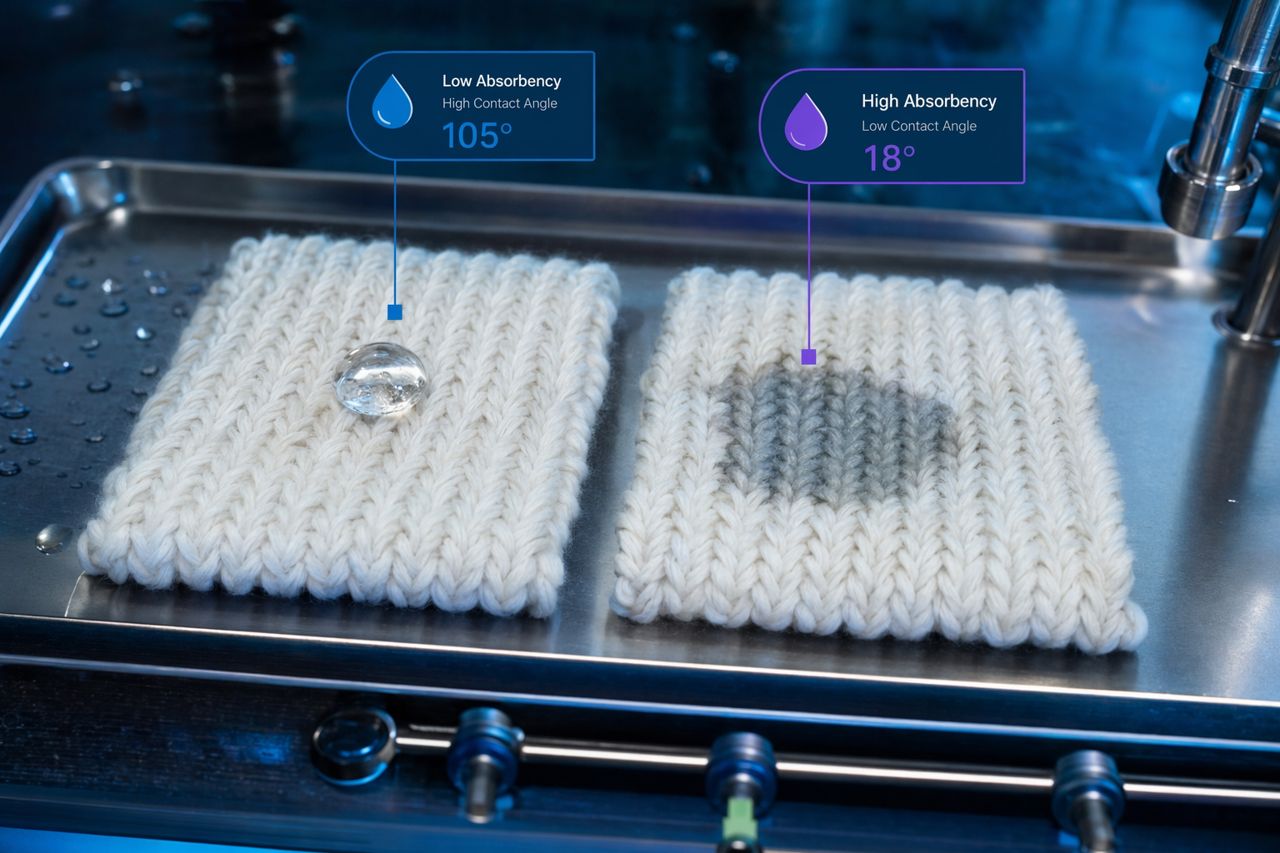
Dyehouses often assess preparation quality with simple plant-floor checks such as drop absorption, wet-out observation, and batch history. When bioscouring is matched to the fabric and machine, absorbency becomes more reliable before the reactive stage begins.
That reliability helps technical teams avoid treating dye uptake problems as dyeing problems when the true issue started in pretreatment.
2. Shade levelness improves from the first bath
Uneven wetting can create rope-to-rope or zone-to-zone differences in dye access. Bioscouring helps reduce this source of variation, supporting more uniform dye uptake and cleaner shade development.
This is especially important for medium-to-dark shades, sensitive colorways, and repeat programs where a small drift can trigger customer concern.
3. Rework risk is reduced
Reprocessing consumes machine time, water, auxiliaries, labor, and delivery margin. A controlled bioscouring step helps reduce avoidable defects linked to poor preparation, including uneven wet-out, patchy uptake, and shade correction cycles.
The commercial benefit is not only chemical cost. It is fewer interrupted schedules and better confidence in first-time-right output.
4. Fabric feel is protected
Cotton knit buyers care about handle, softness, stretch recovery, and visual cleanliness. Enzyme-based bioscouring can support preparation while avoiding unnecessary harshness in the front end of the process.
For dyehouses supplying apparel mills, that matters because the final fabric must meet both lab expectation and hand-feel approval.
Where bioscouring fits in a cotton knit dyehouse
Enzymesflow bioscouring solutions are intended for practical dyehouse integration. The right recommendation depends on the fabric, machine, recipe structure, and quality target.
Common evaluation points include:
- Single-bath or separate pretreatment strategy
- Jet, soft-flow, overflow, or related knit processing equipment
- Fabric construction and grams per square meter
- White, pale, medium, dark, and repeat shade programs
- Existing wetting, sequestering, dispersing, and peroxide-related auxiliaries
- Liquor movement, foam expectations, and drain behavior
- Compatibility with downstream reactive dyeing and soaping
- Required hand feel, absorbency target, and shade tolerance
A supplier should help you define the decision path, not just provide a product name.
What to ask an enzyme supplier for cotton bioscouring
When comparing suppliers, focus on production fit and dyehouse support. Useful questions include:
Process fit
- Can the bioscouring option fit our current pretreatment sequence?
- What fabric types and shade families should we trial first?
- How should we assess absorbency and shade impact during the trial?
- What machine conditions or auxiliary interactions should we watch?
Dyeing performance
- Does the preparation improve wetting consistency before reactive dyeing?
- Does it support repeatable dye uptake across batches?
- Does it reduce shade correction frequency in target programs?
- Does it maintain the fabric hand required by our buyers?
Production control
- How should operators confirm the bath is behaving correctly?
- What simple in-process checks can be used on the dyehouse floor?
- How should results be compared against the current scouring route?
- What should be documented before scaling from trial to bulk?
Commercial support
- Can the recommendation be quoted against our fabric mix and monthly demand?
- Can the supplier support trial planning and result review?
- Can the product be supplied consistently for repeat production?
- Can the supplier help with troubleshooting if shade or absorbency varies?
Buying criteria for a bioscouring solution
A strong bioscouring program should be evaluated on the total dyeing outcome, not only the pretreatment line item.
| Buying criterion | Why it matters in reactive dyeing |
|---|---|
| Absorbency improvement | Supports uniform wetting and cleaner dye access |
| Recipe compatibility | Reduces disruption to current production practice |
| Shade consistency | Helps stabilize first-time-right dyeing |
| Fabric hand | Protects buyer-facing knit quality |
| Low-foam behavior | Supports smooth circulation in jet and soft-flow systems |
| Process confidence | Gives operators clear checks and fewer unknowns |
| Supplier support | Connects enzyme selection to dyehouse results |
Trial approach: prove the value in your own dyehouse
A good trial should be narrow enough to control and broad enough to show value. Enzymesflow recommends starting with a fabric and shade family where preparation quality has a known influence on final dyeing.
Suggested trial structure
- Select one current production route as the control.
- Choose a representative cotton knit construction.
- Run bioscouring under an agreed process window.
- Compare wetting behavior before dyeing.
- Dye the same or closely matched shade program.
- Review shade levelness, correction history, soaping result, and fabric hand.
- Decide whether to expand to additional constructions or shade families.
Useful plant-floor measurements
- Drop absorption comparison
- Visual wet-out uniformity
- Batch-to-batch shade variation
- Number of shade corrections
- Reprocess frequency linked to preparation
- Operator comments on foam and circulation
- Final hand-feel review after finishing
The best buying decision is one your production team can defend with internal data.
Why Enzymesflow for cotton knit bioscouring
Enzymesflow is built for dyehouses that need enzyme solutions explained in production language. We focus on the link between pretreatment and dyeing results: absorbency, levelness, repeatability, hand feel, and avoidable rework.
Our support can help you:
- Match bioscouring to your cotton knit fabric mix
- Review compatibility with your current recipe structure
- Plan trials against meaningful dyehouse outcomes
- Compare results against your existing preparation route
- Build a quote around realistic production demand
Request a quote
If you are sourcing bioscouring enzyme for cotton knit pretreatment before reactive dyeing, for your own dyehouse or for the dyehouses you supply, share the product or process problem, quantity per month or per order, destination country, fabric type, machine setup, current pretreatment route, shade families and target improvement. Pack format, price and lead time are quoted per order.
Request a quote using the on-site form
Our team will review your requirements and respond with a practical bioscouring recommendation for your dyehouse.